
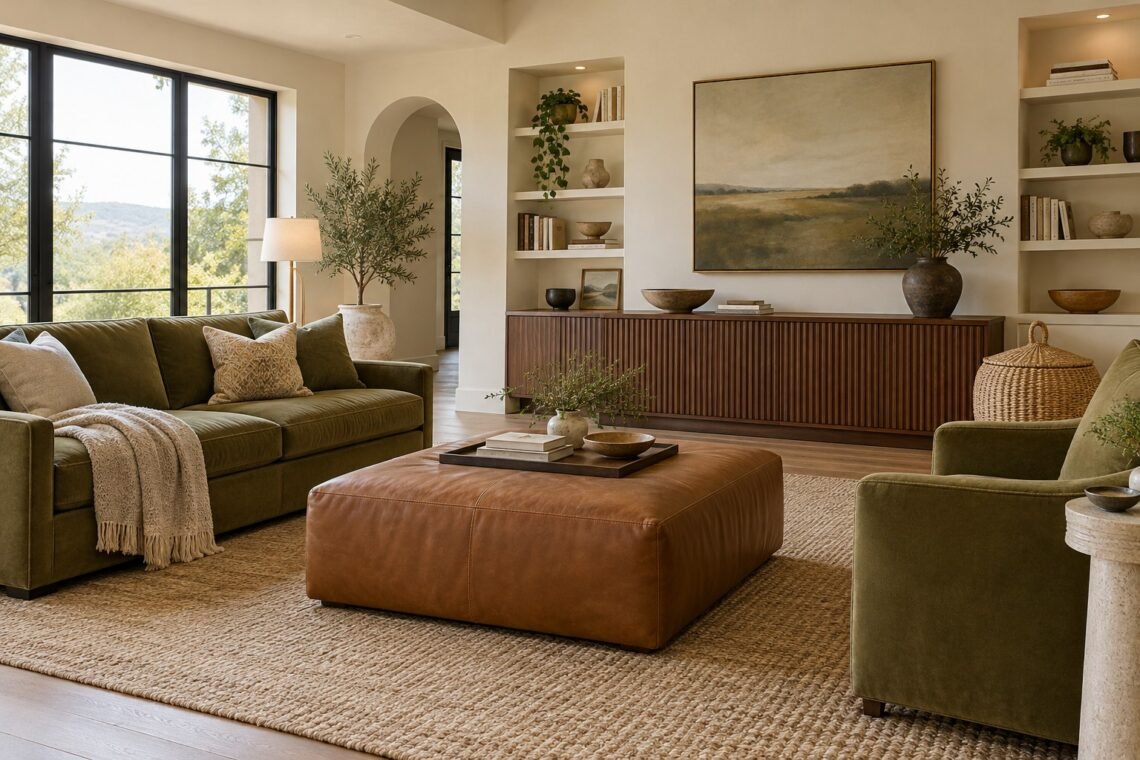
The living room has to hold a lot of real life: books, blankets, games, chargers and all the little things that arrive during an evening on the sofa. Good storage gives them a home without making the room feel like a cupboard.
These living room storage ideas bring together useful furniture and simple ways to arrange what you already own. There is a mix of rich colours, warm woods and quieter rooms, so you can find something that feels like your home.
The shopping ideas come first, followed by fitted options and easy organizing habits. Start with the things that keep being left out, then choose storage that makes putting them away feel effortless.
As an Amazon Associate I earn from qualifying purchases.
Images are AI-generated room inspiration. SHOP SIMILAR opens a search for visually similar options; check the details and suitability for your space before buying.
1. Let a storage ottoman take the centre spot

A storage ottoman can hold the blankets that otherwise take over the sofa. A caramel or chocolate finish adds warmth, and the padded shape feels relaxed in the middle of a seating area. It earns its space by doing two useful jobs.
Choose the footprint around the seats you use every day, leaving comfortable room to pass. Check the storage opening as well as the outside dimensions. A hinged lid needs space to lift, and its mechanism should suit the people using it.
Keep the contents soft and simple: spare throws and cushion covers are good candidates. If you use a tray on top, make it easy to lift away. The best version of this idea gives you a clearer sofa without creating an awkward daily puzzle.
2. Use a sideboard to hide the visual clutter

A low sideboard gives everyday clutter a home while still looking like proper living room furniture. Fluted walnut brings texture without needing much decoration on top. It works beautifully with oatmeal seating, soft taupe walls and a simple piece of art.
Decide what the cabinet needs to hold before choosing it. Board games, spare candles and chargers all need different amounts of space. Adjustable shelves are useful, and sliding doors can help where a swinging door would interrupt a narrow route.
Give each shelf a clear purpose, then leave a little spare capacity. Keep the top for a lamp and one or two favourite objects rather than another storage layer. That balance is what makes closed storage feel like a calmer room, not just a hidden pile.
3. Give blankets a basket with a lid

A woven basket adds an easy bit of texture beside a sofa, and a lid keeps spare textiles from looking messy. Natural fibres sit especially well against navy, olive and brown upholstery. The contrast feels warm without introducing another strong colour.
Choose a basket that fits the things you want to store rather than buying several small ones by default. A couple of throws need a different shape from magazines. Check that the lid opens easily in the spot where the basket will actually live.
Avoid squeezing it into the main path around the seating. A useful basket should be easy to reach and easy to put back. If you are reducing the overall amount first, these decluttering tips can help you make a manageable start.
4. Take book storage upwards in one slim spot
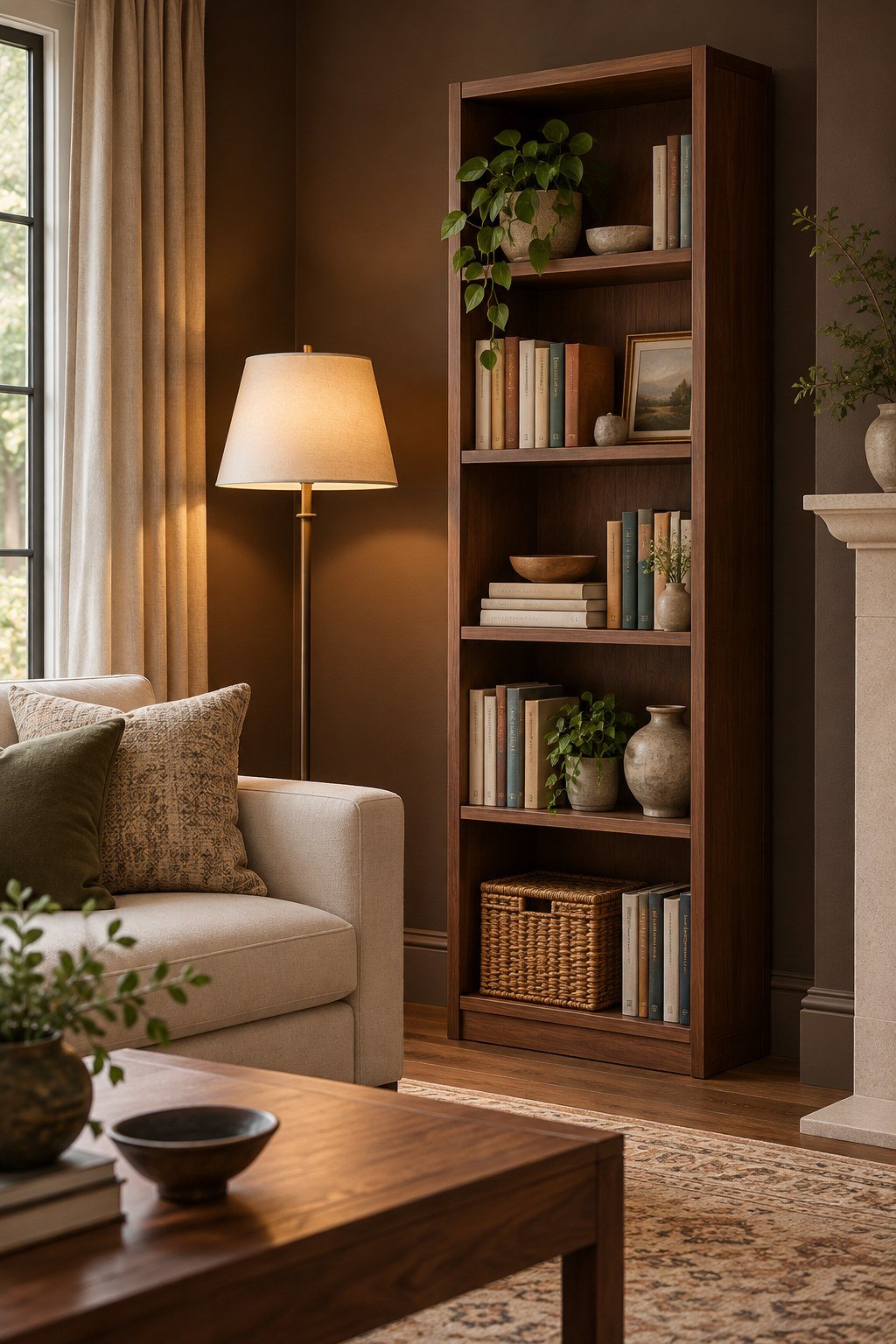
A narrow bookcase can make use of a small wall beside a doorway or sofa. Going upwards keeps the footprint compact, while walnut shelves bring warmth to a darker room. It is a lovely way to make books feel like part of the decoration.
Measure the actual books you want to keep here. Larger art books may need more depth or height than a slim unit provides. Use suitable wall anchoring according to the instructions, and keep heavier volumes lower down where they are easier to handle.
Leave a little space for new reads rather than packing every shelf tightly from day one. A small horizontal stack can break up the vertical rows without turning the shelves into a styling exercise. You should be able to find and return a book easily.
5. Choose a coffee table with useful space inside

A lift-top coffee table can hide the small things that tend to stay in the middle of the room. Remotes, a notebook and charging cables are easier to manage when they have a space nearby. A walnut finish keeps the piece feeling warm and substantial.
Look carefully at how the lid moves and where it ends up when raised. It should work with the height and position of your sofa, and you need room to open it without shifting other furniture. Avoid storing more than the mechanism and compartments are designed to hold.
Keep the top lightly styled so you can actually use the storage. A table that needs clearing of six ornaments every time will soon stay shut. For a compact layout, these small apartment living room ideas offer more ways to keep furniture useful.
6. Make the back of the sofa work harder

When the sofa floats away from the wall, a slim console behind it can create useful storage. An oak design gives the back of the seating area a finished look, with a drawer for small things and a lower shelf for a basket or books.
Keep the console at a height that looks comfortable against the sofa back. Measure the passage behind it carefully, including any doorways or dining chairs nearby. The extra storage only helps if the surrounding room still feels easy to move through.
Use the top sparingly so it does not become a second coffee table covered in things. A compact lamp can be lovely if its cable has a safe, tidy route. The furniture can also gently define separate areas, as in these room divider ideas.
7. Mix open shelves with cupboards underneath

Open shelving is lovely for books and favourite objects, but not everything needs to be on show. Cupboards underneath give the less decorative things somewhere to go. This combination makes a storage wall feel personal without asking every item to look beautiful.
Put the things you reach for often within easy reach, and save the highest shelves for lighter display pieces. Use the lower cupboards for games, spare textiles or everyday family supplies. The exact mix should reflect what actually happens in your living room.
Painting the whole unit close to the wall colour helps a larger installation sit more quietly in the space. Keep a few gaps between display groups rather than filling every inch. The room still needs some visual breathing space around all that useful storage.
8. Turn awkward alcoves into fitted storage
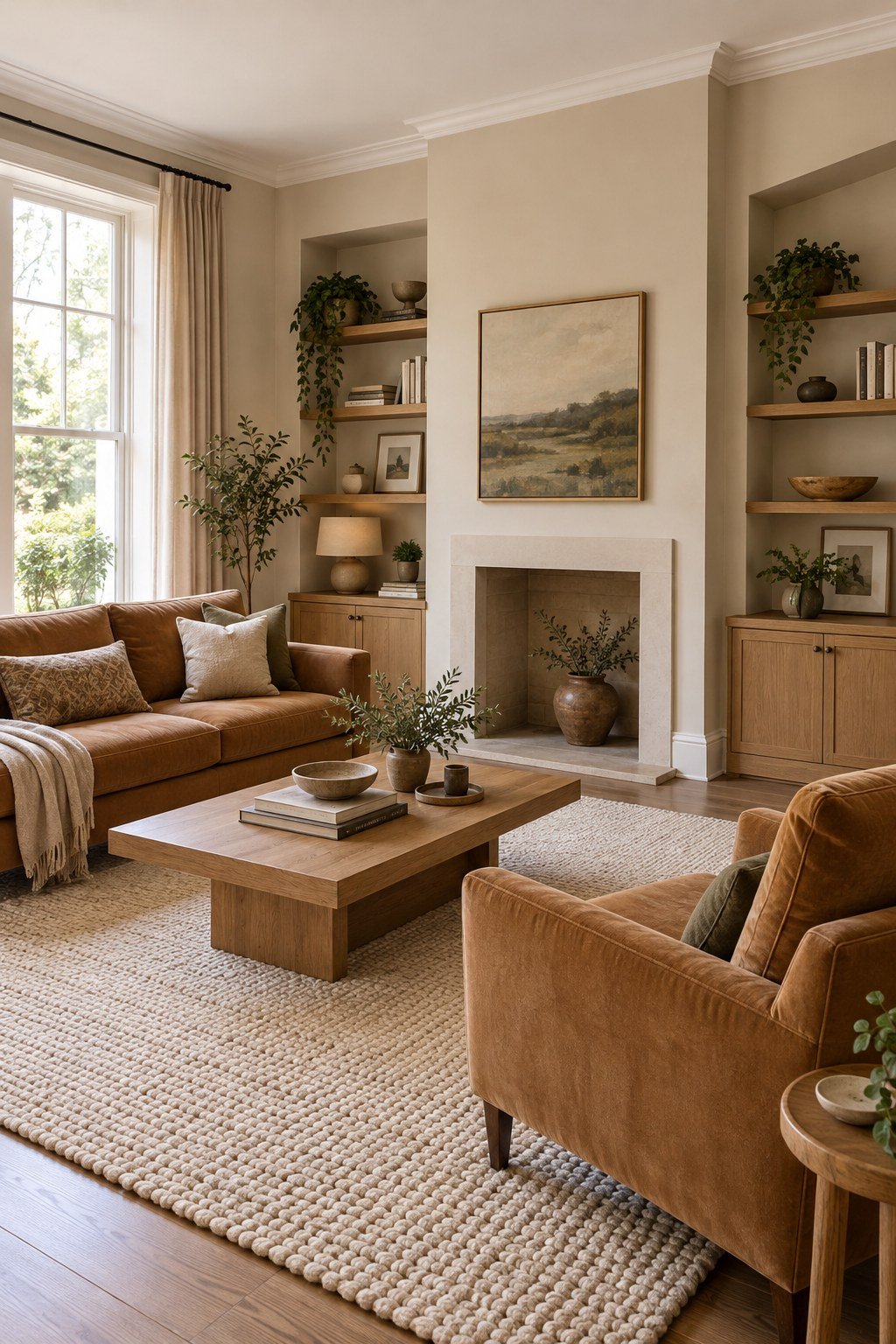
Alcoves can be awkward for standard furniture and wonderful for storage made to fit. A low cupboard with shelves above can use the recess without projecting far into the room. It also helps the chimney breast feel like part of a considered wall.
Start with an honest list of what belongs there. You might need deep cupboards for games on one side and shelves for books on the other. The two alcoves do not have to be identical to look balanced; matching materials can tie different proportions together.
Treat this as a fitted project and account for sockets, ventilation and any nearby heat source before building. A clean finish around the edges matters more than elaborate details. Warm oak against cream walls is a lovely starting point that works with plenty of seating colours.
9. Build storage into a window seat
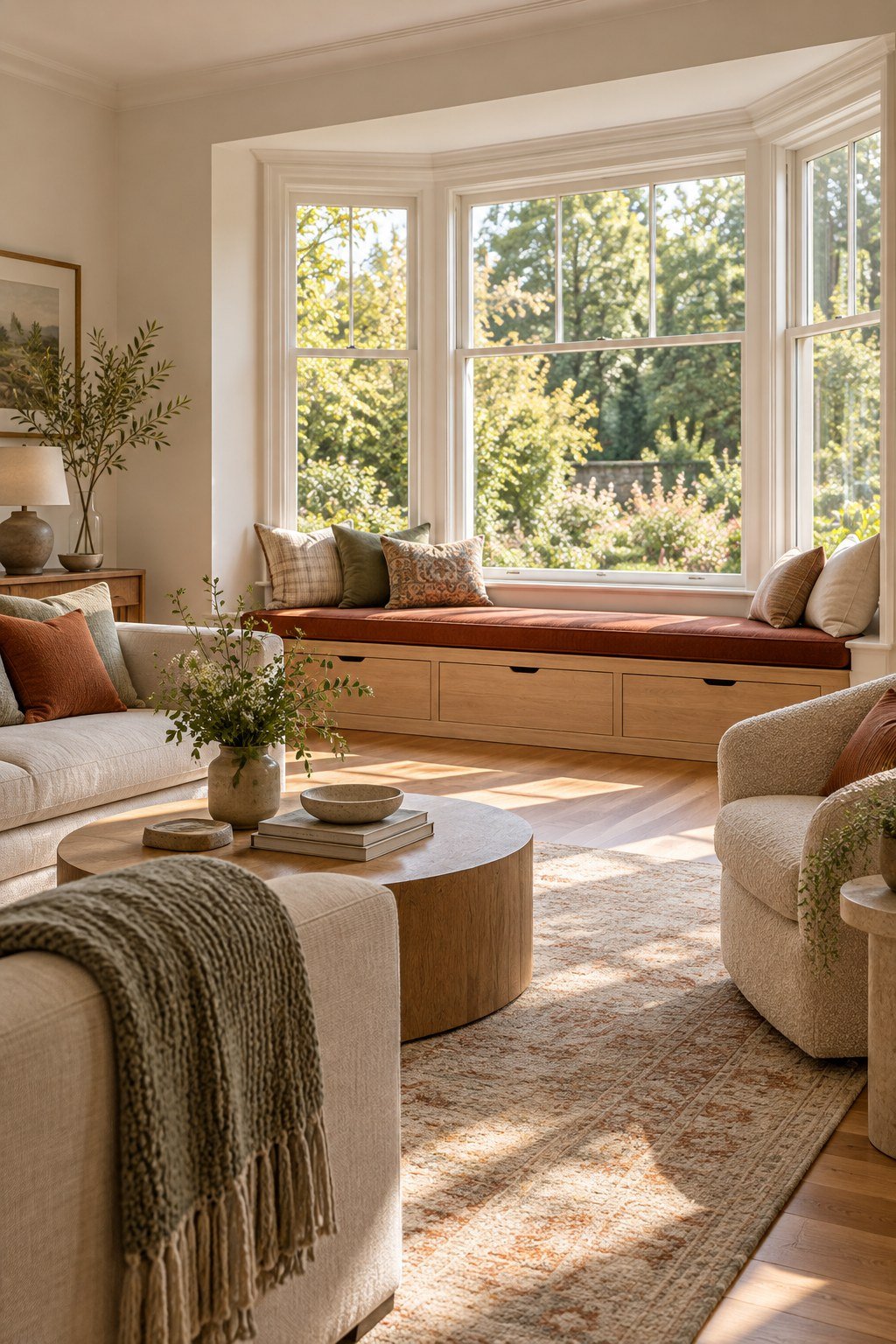
A window seat can turn an underused bay into a favourite corner, with useful drawers beneath. It makes a lovely place to read while giving spare throws or occasional items a home. The cushion can add a soft accent to an otherwise quiet room.
Plan the seat depth, height and drawer access around the actual window and surrounding furniture. Keep vents, radiators and opening windows in mind. A fitted bench needs more thought than placing a box beneath a cushion, especially if people will use it regularly.
Use easy-access drawers for things you genuinely want nearby, rather than filling them with forgotten overflow. Keep enough room in front to open them comfortably. The result should feel like a pleasant part of the room first, with storage that happens to be very useful.
10. Give books an easy-to-maintain arrangement
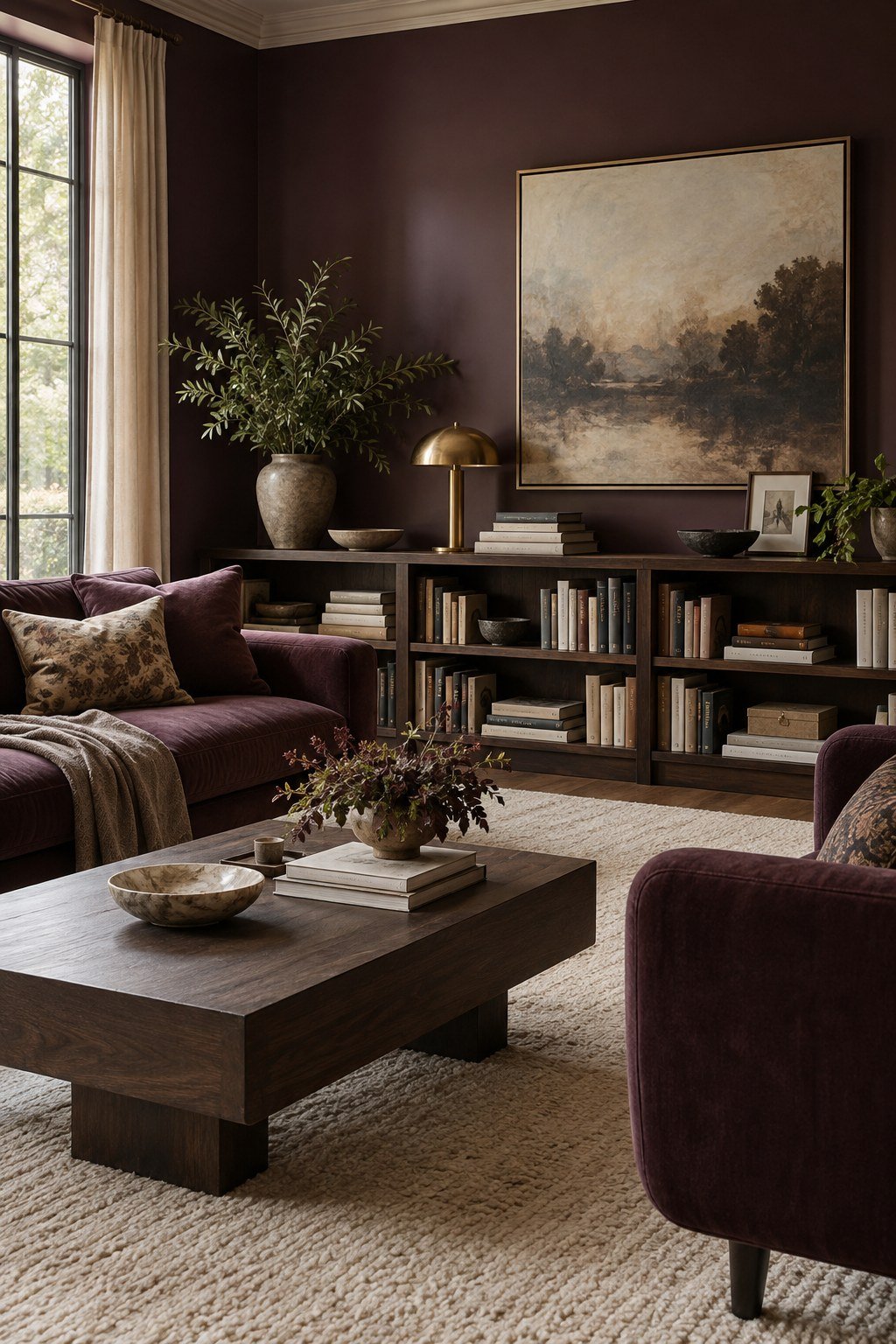
Books look wonderful in a living room, and they do not need a complicated colour system to belong there. Grouping them by the way you use them is often easier to maintain. Keep current reads together and larger reference books where they fit comfortably.
Use bookends so shorter rows stay upright, and keep horizontal stacks small enough to lift without a balancing act. Keep books in a single row where possible; double rows can make it difficult to remember what you own. Accessible shelves are more useful than a perfectly packed display.
A few favourite objects can soften the arrangement, but you do not need to fill every gap with decor. Let the books bring the personality. Their varied covers add richness to deep wall colours without introducing another piece of furniture into the room.
11. Store each activity near where it happens

The easiest storage to use is usually close to the activity it supports. Games belong near the table where you play them; reading supplies belong near a favourite chair. This cuts down the little piles that appear when putting things away means crossing the house.
Choose a few simple groups instead of creating a separate container for every small object. One space for games and another for drawing supplies may be enough. Make sure everyone who uses the room can understand where things go without needing a detailed explanation.
Revisit the arrangement when routines change. A room used for quiet evenings may need a different setup from one used for homework and weekend games. These home organization systems follow the same practical approach: make the easy place the right place.
12. Leave a little empty space for the daily reset
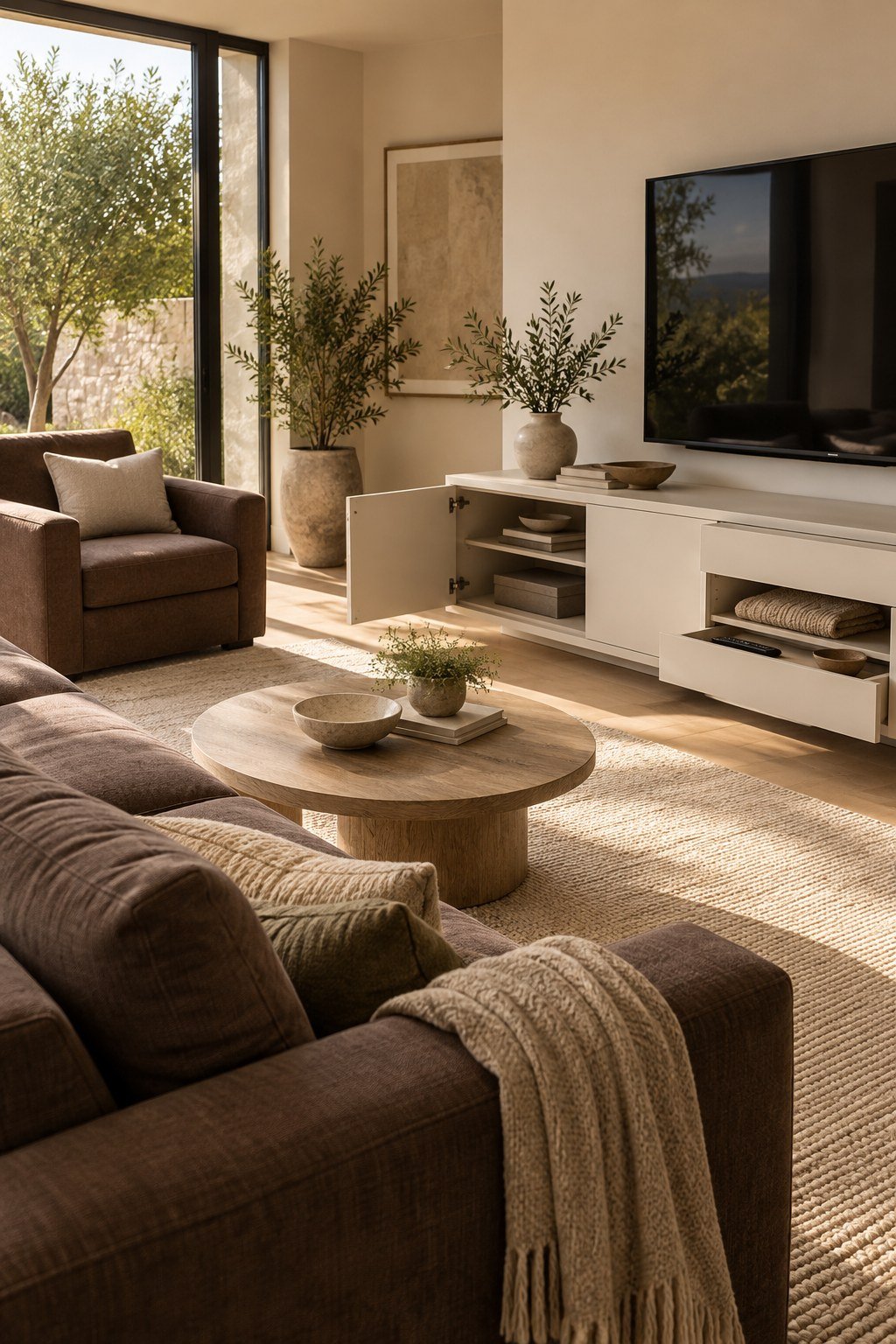
A storage system works better when it has room to absorb a normal day. If every cupboard is full before you start, one extra blanket or library book ends up on the sofa. A little empty space is useful capacity, not a decorating failure.
Choose one quick reset that fits your evening: return the remotes, fold the throw and put the current book in its spot. Keep those homes close to the seats. You should not need to reorganize a cupboard just to tidy the coffee table.
Notice what keeps being left out and adjust the storage around that habit. The answer might be a more accessible shelf or fewer things in one drawer. Living room storage ideas feel most successful when they make the room nicer to use, as well as nicer to look at.
Make room for the way you live
You do not need every kind of storage in one room. An ottoman for the blankets and a cupboard for the games may solve more than a whole wall of new shelves. Let the everyday clutter tell you what is missing.
Keep favourite books and objects where you can enjoy them, and give the less decorative things a simple place behind a door or beneath a lid. A little empty space will make that arrangement much easier to maintain.
The aim is a living room you can relax in, use freely and put back together without a big effort. Start with one hardworking piece or one better-organized corner, then enjoy the breathing room it creates.