
A tidy room is lovely. A room that’s easy to put back together after a busy day is even better. That’s where a few simple home organization systems can help: they give the things you use a clear home and make the next step obvious.
Think of a system as a place plus a small habit. Keys go on the hook when you come in. Laundry goes into the right bag. A basket of things belonging upstairs gets emptied before bedtime. None of it needs to look like a perfectly labelled storeroom.
These ideas work best one at a time. Choose the bit of daily clutter that bothers you most, set up an easy place for it and see what your household actually uses.
As an Amazon Associate I earn from qualifying purchases.
Images are AI-generated room inspiration. SHOP SIMILAR opens a search for visually similar options; check the details and suitability for your space before buying.
1. Give coming-home essentials one landing zone

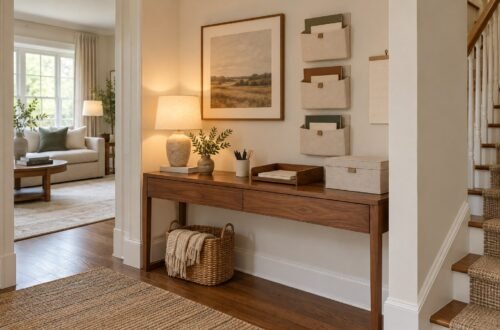
Keys, sunglasses and the dog lead are easier to find when they land in the same place every day. A small shelf with hooks can be enough, especially beside the door you use most often.
Decide what belongs here before filling it. Keep the hooks for the things that leave the house regularly, and give incoming post a shallow slot rather than a deep box where it can disappear.
Make hanging up the keys part of coming in, then clear the shelf during a regular quick reset. If shoes are the bigger problem by your door, these entryway shoe storage ideas can help complete the setup.
2. Let paperwork stop in one small inbox
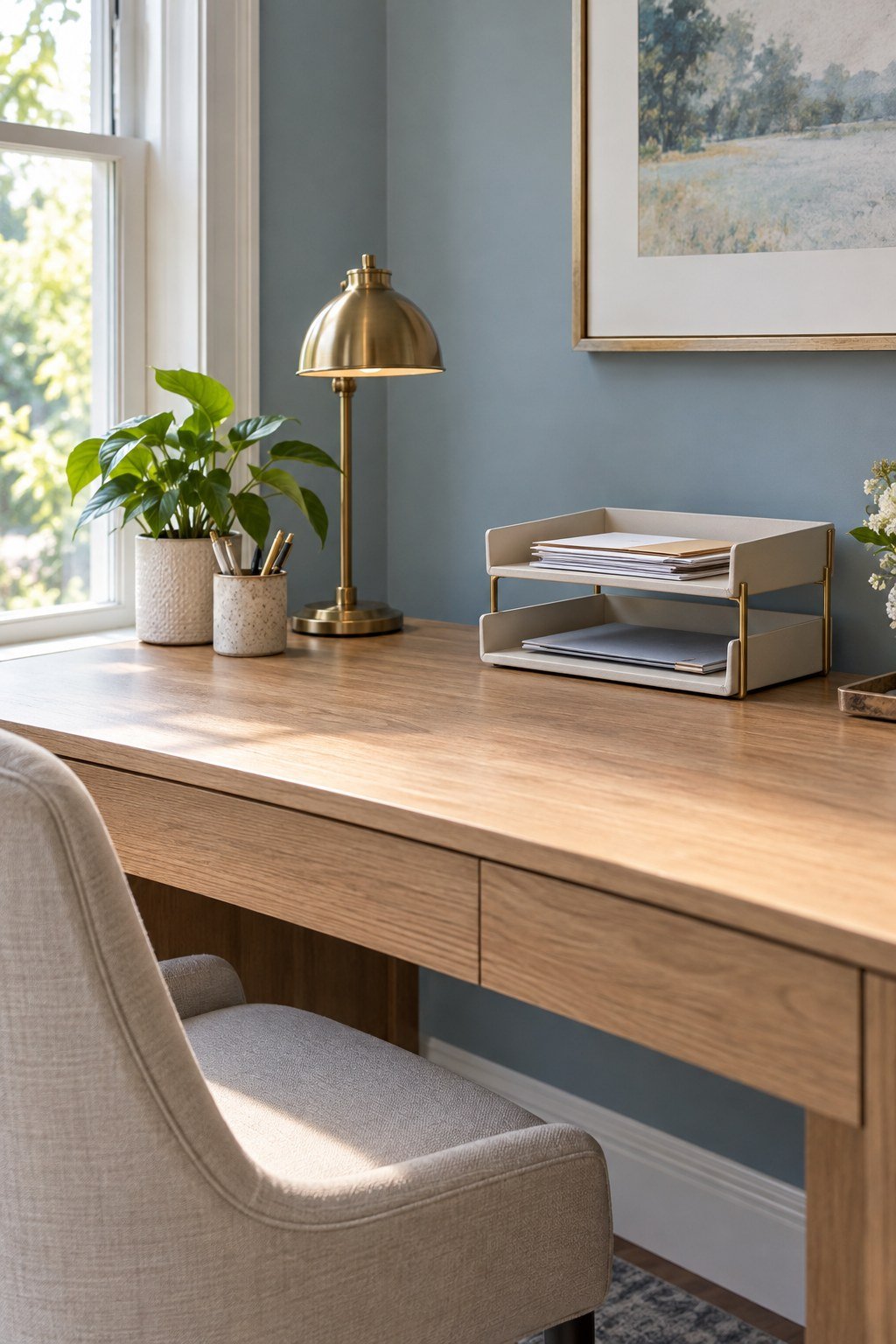
One paperwork inbox is easier to keep track of than envelopes spread across the kitchen, desk and bedside table. A shallow letter tray gives new paper a temporary home without asking you to file it immediately.
Choose a regular moment to empty it. Deal with anything that needs action, keep documents you need in suitable storage and recycle or securely dispose of the rest as appropriate.
Keep the tray small enough that a growing stack is noticeable. The point is to move paper through, rather than create a permanent pile with a nicer frame around it. Our home office organization ideas have more ways to make the desk area work.
3. Sort laundry where you take it off

A divided hamper can remove one step from laundry day if everyone knows which section to use. Put it where clothes already tend to land, rather than where you wish they would.
Choose categories that suit your actual washing routine and follow garment care labels when making each load. The bags can help with the first sort, but clothes may still need checking before washing.
Finish the loop by giving clean laundry a route back to drawers and wardrobes. A sorter helps most when washing, drying and putting away are part of the same manageable routine.
4. Use a return basket for things in the wrong room
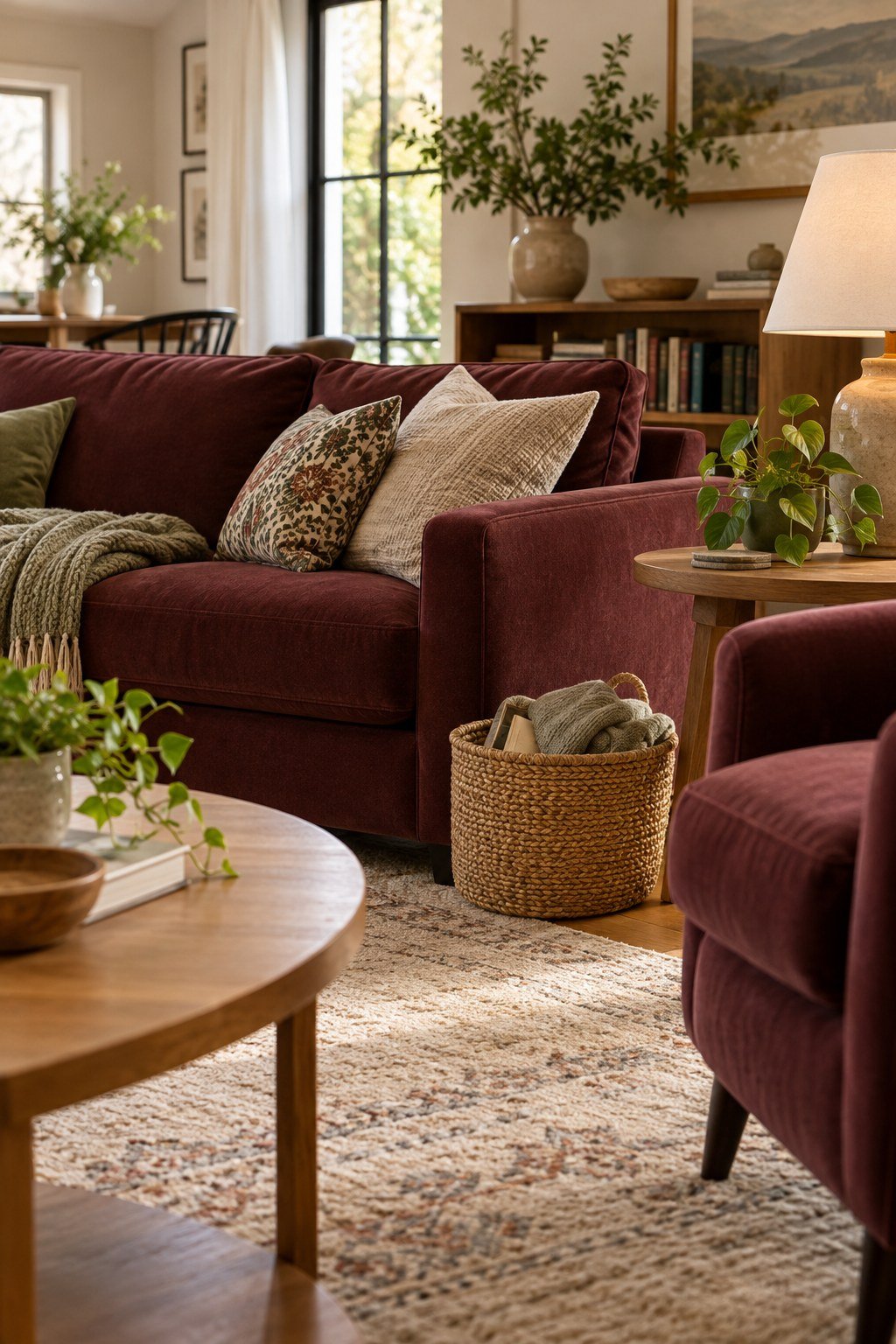
A return basket gathers the little things that drift into the living room: a cardigan, a book or something that belongs on a bedroom shelf. It makes a quick tidy possible without a separate journey for every item.
Choose a small basket you can carry comfortably, and keep it somewhere easy to reach. A huge basket can quietly become a second storage cupboard, which makes emptying it a much bigger job.
Take it with you on a normal trip through the house and put the contents away. Returning the empty basket is the part that keeps this system moving.
5. Keep spare supplies in one backstock area

Spare soap and other everyday supplies are easier to check when they share one home. A couple of clear bins can keep unopened packets visible without turning every cupboard into a collection of half-forgotten extras.
Separate spares from the items currently in use, and keep products in their original packaging with any storage guidance intact. Choose a suitable location for the contents and your household.
Check this area before adding things to the shopping list. When you take the last spare, note what needs replacing. Our walk-in pantry organization ideas use a similar approach to seeing what you already have.
6. Make charging a repeatable little routine

A set charging spot can stop phones and leads travelling around the house. A small tray gives the device a place to rest, and a suitable cable box can keep the nearby desk looking calmer.
Use compatible chargers, follow the electrical products’ instructions and keep ventilation clear. Avoid stuffing power supplies into a tight enclosed space or covering charging equipment with fabric.
Choose a time when the setup is convenient, then unplug or put away equipment as appropriate. The useful part is knowing where the charger lives, without having to untangle a drawer each time.
7. Give each person an easy-to-reach section

Shared storage works more smoothly when everyone has a clear space. A basket or cubby for each person can hold the things that otherwise spread across the hall.
Make the sections easy to reach and suitable for the people using them. Younger children are more likely to put things away when the storage is low, open and uncomplicated.
Keep the contents limited to the zone’s purpose, and do a quick check together when it starts overflowing. These kids’ closet organization ideas have more ways to make everyday tidying easier for little ones.
8. Store bedding as complete, usable sets
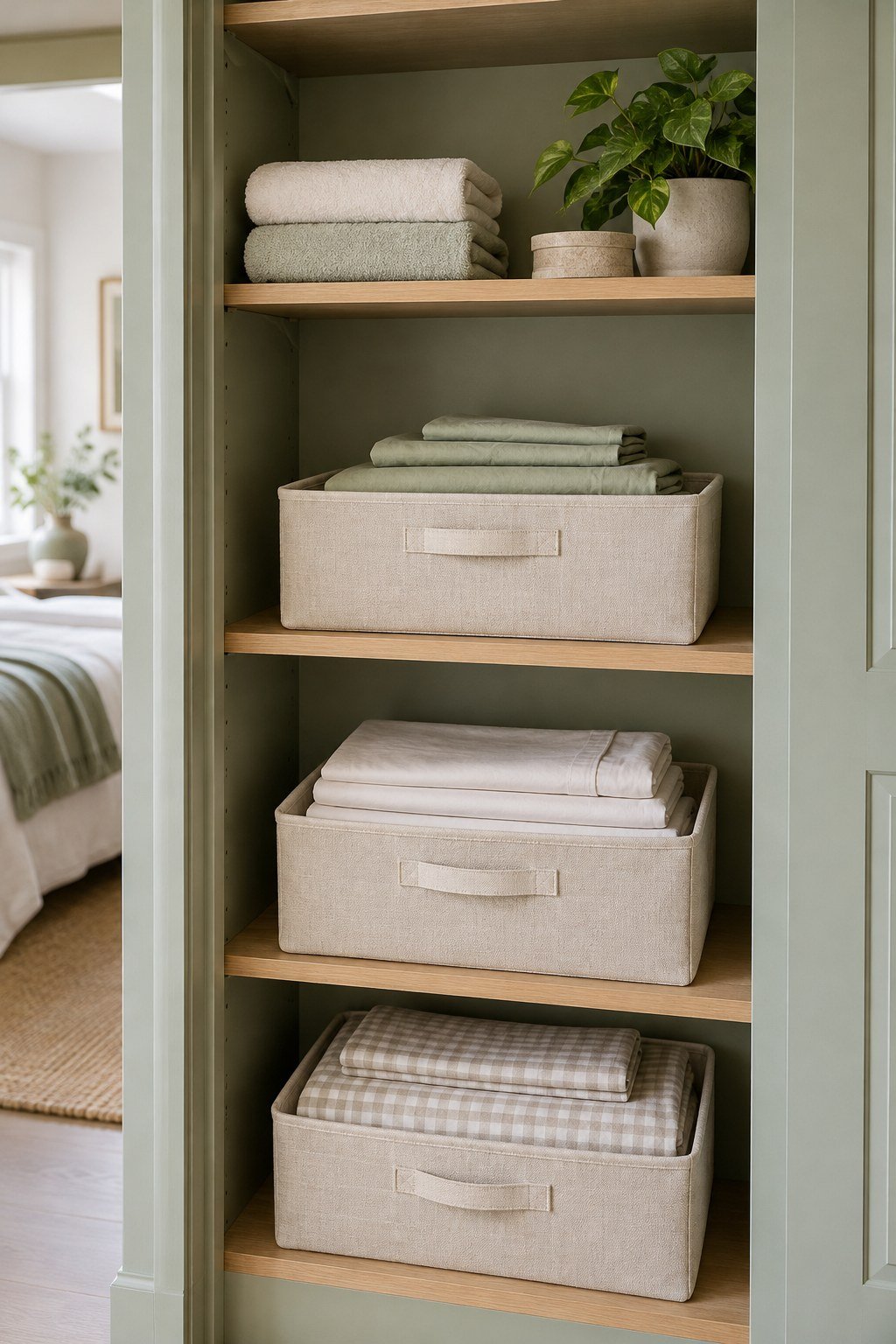
Linen storage is easier to use when a sheet doesn’t need a cupboard-wide search for its matching pillowcases. Grouping a complete set in one place makes changing the bed feel much simpler.
Use a shelf section, a fabric bin or another arrangement that suits your cupboard. Put away only clean, fully dry bedding and leave enough room to lift a set out without pulling the whole shelf apart.
Return the clean set to its place after washing, and keep a realistic amount for your household. A little empty space makes the cupboard more pleasant to use than another tightly packed row.
9. Choose a short evening reset route

A small repeatable route can be easier than trying to tidy the whole house at once. Start with the spaces that make the next morning feel better, such as the kitchen counter, sofa and entrance.
Choose a few clear jobs: put dishes where they belong, return stray items and fold the throw. Keep the routine short enough to do on an ordinary tired evening.
Let other household members take a part that suits them. The aim is a more comfortable starting point tomorrow, rather than making every room look untouched before bed.
10. Let the available space set the limit
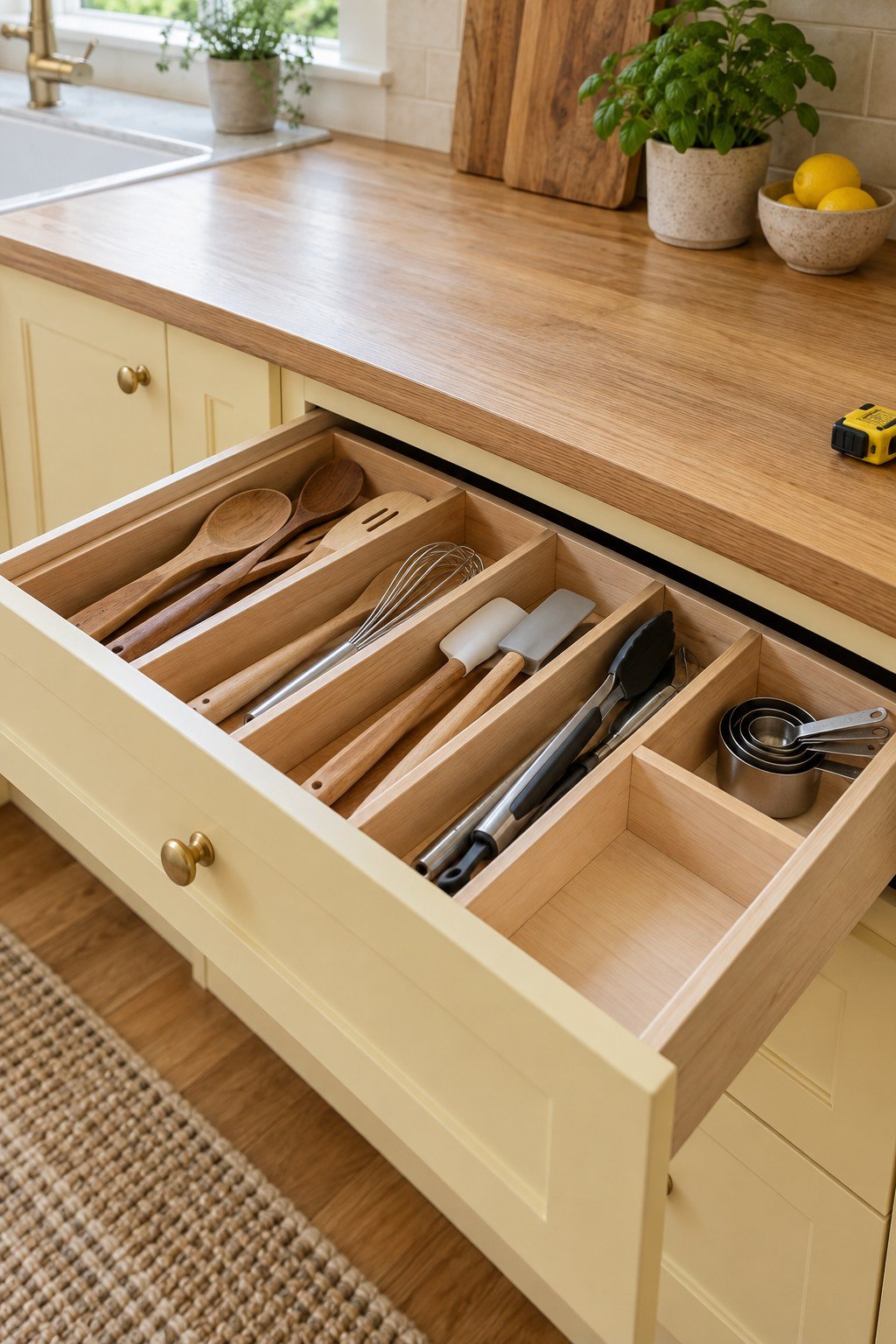
A drawer or shelf can be a useful boundary for a category. If the contents no longer fit comfortably, pause and look at what you’re keeping before buying more storage.
Try grouping the items, removing things that belong elsewhere and keeping the useful favourites easiest to reach. Measure before adding dividers so the solution suits both the space and its contents.
That small pause can save a cupboard full of containers that nearly work. If the first sort feels difficult, our decluttering tips offer a gentle place to begin.
11. Give things leaving the house a next step

A small outgoing bag gives returnable, pass-along or donation items somewhere to wait briefly. Keep it out of the walking route, but close enough to the exit that you remember it.
Separate items when they have different destinations, and check the recipient’s requirements before taking them. A clean reusable tote can be enough; you don’t need a dedicated piece of furniture.
Choose an actual errand or date for the next trip, then empty the bag. Moving things out of the house is what makes this a useful system, rather than another pile inside a cupboard.
Start with the system that would help tomorrow
You don’t need to reorganise the whole house this weekend. One reliable place for keys, one manageable paperwork tray or one basket that gets emptied can make daily life feel a little easier.
Give the new arrangement a week or two, then notice what happens. If something still lands on the floor, move the storage closer or make the next step simpler.
The best home organization systems feel almost ordinary once they’re working. They leave you with fewer things to hunt for, less to put back at once and a home that’s easier to enjoy.